Force of Nature is a groundbreaking series filmed over three years, revealing how nature is fighting back against today's extreme weather. Witness the scale and ferocity of nature's most powerful forces - from hurricanes and flash floods to droughts and bushfires - and discover the ingenious ways nature endures, adapts and prevails against these new extremes. Through the eyes of heroic animal characters, this heartfelt, dramatic and inspiring series shows how the natural world is rising to the challenge. There has never been a more pressing and relevant natural history series.
Wildlife facing a more extreme world
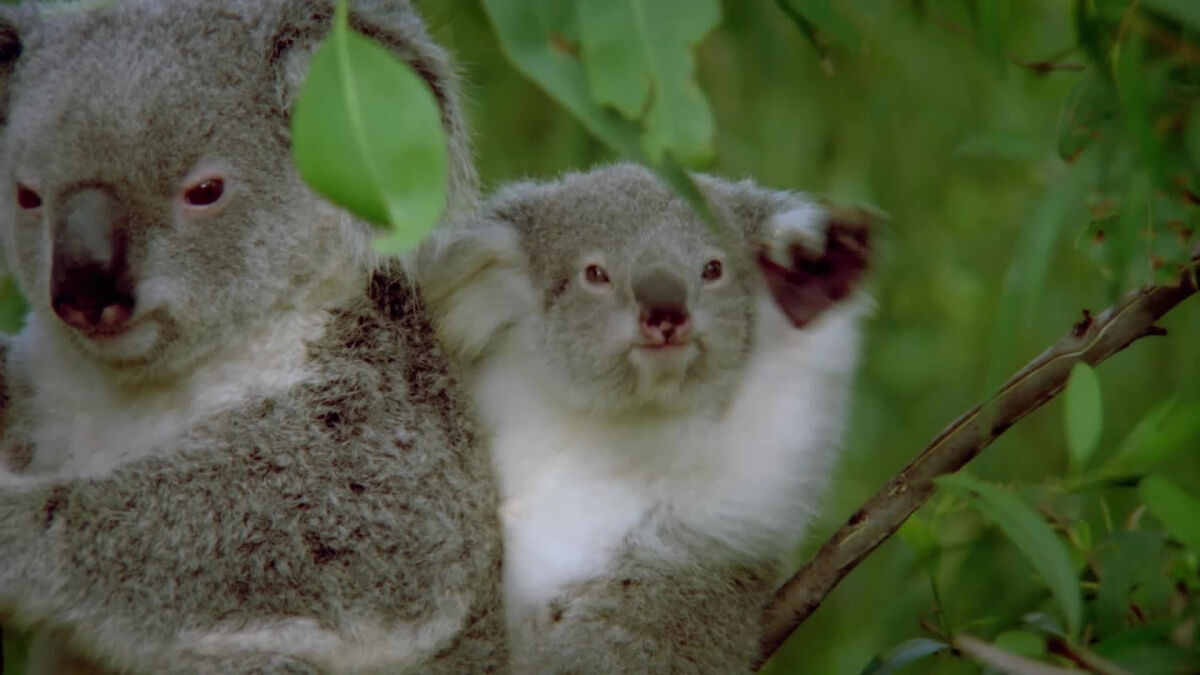
Force of Nature follows animals confronting floods, droughts, violent storms and other environmental pressures. The ITV series places wildlife at the centre of a changing climate story, with subjects ranging from polar bears to chimpanzees. Its recurring question is how animals respond when the conditions around them become more difficult.
The emphasis on resilience gives the programme a clear thread across its different habitats. The official companion site describes a six-part natural-history series about nature responding to extreme weather. This is a useful distinction for viewers choosing between weather documentaries: the animals and their struggle to survive provide the principal viewpoint.
From rising water to melting habitats
The season begins with Extreme Earth, introducing animals adapting to increasingly severe weather. Rising Waters turns to flooding, while Savage Seas focuses on the challenges of raising young along a coast. The episode structure separates different environmental pressures while keeping survival and family life in view.
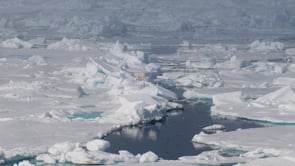
Melting Worlds follows cold-adapted animals as their surroundings change, and Boiling Point examines temperature extremes and drought. These chapters make the series a way to compare responses to very different conditions. The questions concern what an animal can change in its behaviour and what happens when its habitat itself is shifting.