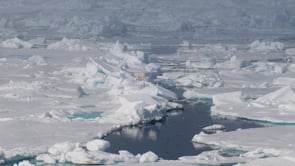
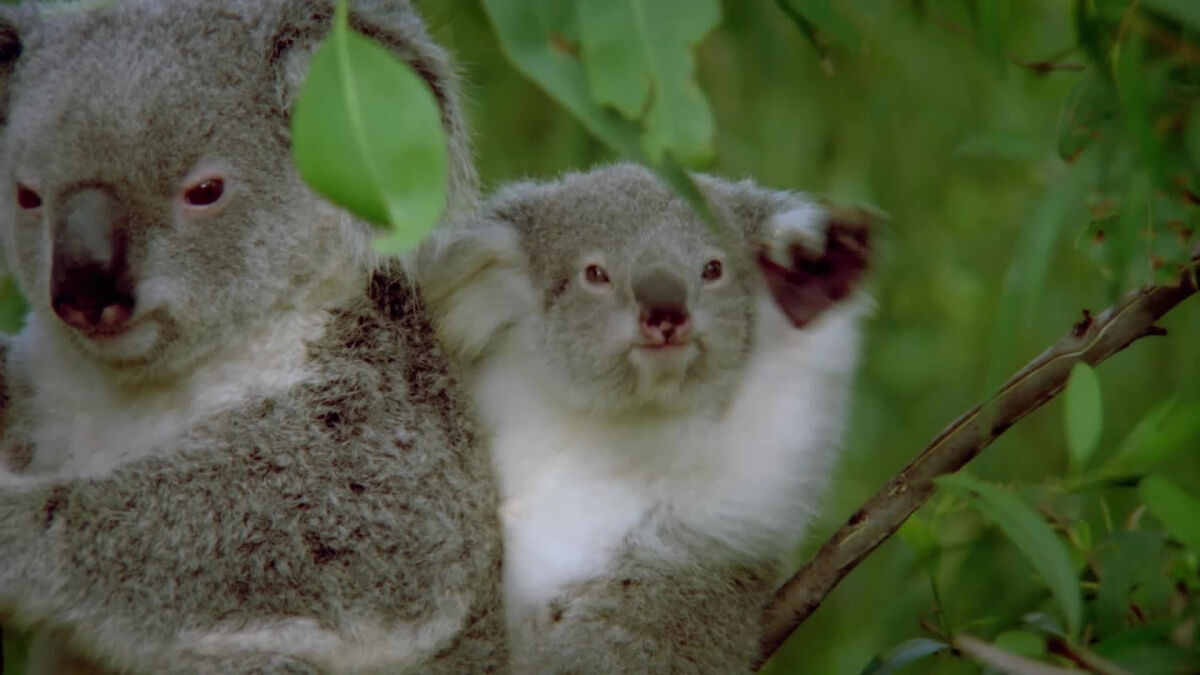
Japan is famous for its rich traditions and futuristic cities, but it is also a nation bursting with unbelievable wildlife. On this journey from the archipelago's harsh winters through the summer mating season, meet endemic species like bears, raccoons, crabs, flying squirrels, foxes and eagles. Witness never-before-seen footage of Japanese cranes' courting ritual, the spawning of the endangered Japanese giant salamander, battles between Ezo sables, and the flight of the Sika deer.
Japan through its wildlife
Japan's Wild Side explores the country through its animals and habitats, ranging from Hokkaido’s forests to the coastlines of Okinawa. The programme’s geographic span provides a frame for a more focused subject: how wildlife responds as difficult conditions give way to a new season.
The two first-season chapters place change at the centre of the story, moving from the end of winter towards the opportunities and pressures of warmer weather. The series is therefore structured around a transition in animal lives as well as a journey through Japan.
Warm weather and the reproductive race
The second episode turns to longer days and warmer conditions. Its description emphasizes preparation and the importance of timing in reproduction. This shifts the focus from making it through winter to making use of a limited opportunity, keeping the passage of the seasons central to the wildlife story.
The two-part outline offers a compact way into Japan’s natural history. Viewers can follow the relationship between place, season and behaviour without expecting a comprehensive catalogue of every species. The connecting idea is the changing set of demands facing animals as one phase of the year becomes another.