A planet whose habitats are changing
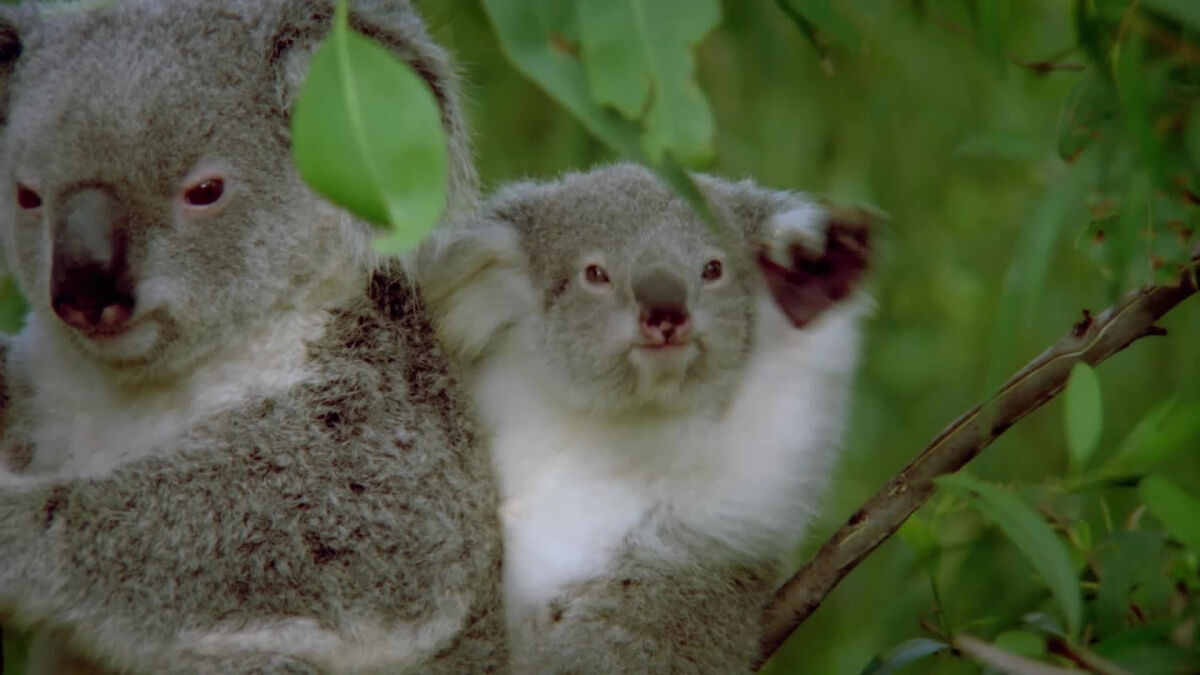
Our New World follows the transformation of ecosystems under a changing climate. Its range extends from alpine landscapes losing snow and ice to seas becoming warm enough to support tropical life. Rather than treating climate change only as a distant forecast, the production centres on changes to the places where animals, plants and people already live.
The central theme is adaptation, including its limits. Some species find new opportunities as conditions change, while others struggle to keep pace. This tension makes the title meaningful: a familiar place can retain its name while its seasons, wildlife and ecological relationships are becoming something different.
Environmental change through personal experience
The production synopsis introduces people whose working lives are tied to particular environments: a wombat conservationist in fire-affected Australia, an elephant breeder in drought-stricken Kenya, an Ama diver in Japan and herders in the Alps. Their accounts connect broad environmental shifts with the practical experience of caring for animals, working at sea or living beside retreating glaciers.
Memory is part of that approach. The participants recall earlier conditions, describe what has changed and explain how they are responding. The contrast between remembered landscapes and current observations gives viewers a personal route into a planetary subject, while keeping each account grounded in a particular place.
The Carbon Hunters and the science of natural storage
Terra Mater’s production package also includes The Carbon Hunters, a science-focused investigation into ecosystems that absorb carbon dioxide. Its examples range from kelp forests and peat bogs to alpine meadows and deep ocean trenches. The question is how the natural systems already under pressure might also contribute to responding to climate change.
The research strand follows the use of AI, drones and satellite information to map and measure carbon storage in forests, oceans and soils. This gives the package a second scale of inquiry: personal experience of ecological change sits alongside the scientific work needed to understand what ecosystems do and how they might be protected.