Two tiger families in western Nepal
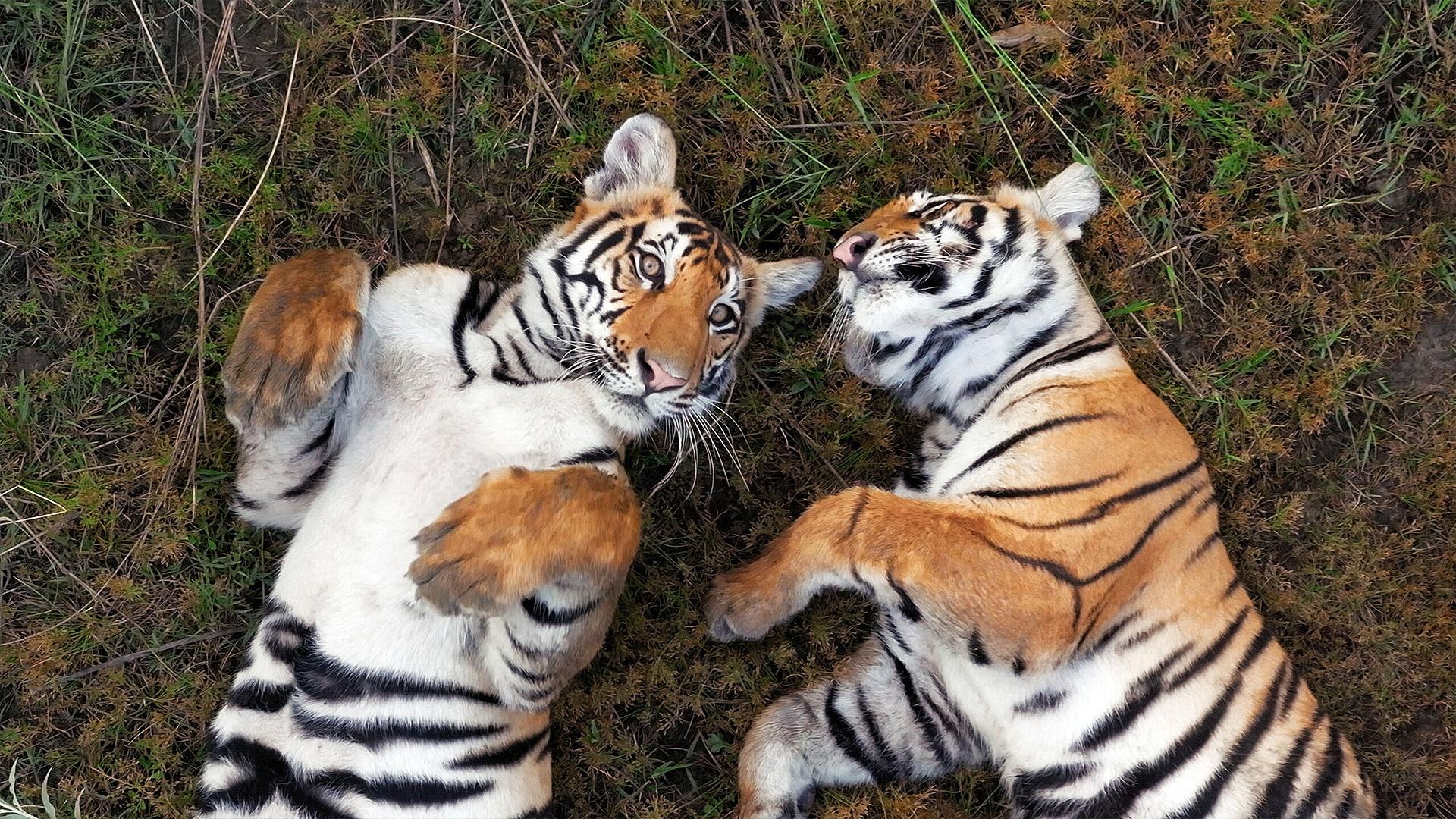
Tiger Island follows two tiger mothers raising cubs in the forests of western Nepal. A team of wildlife filmmakers and big-cat experts explores an island where other tigers, rhinos and elephants are among the potential threats. The two-part series makes the lives of these families the centre of an expedition into a difficult place to observe.
The mothers bring different experience to the story. Goma is an older tigress using her knowledge to protect her cubs, while Mala is a first-time mother. The arrival of another male adds pressure. This contrast gives viewers a continuing thread through the programme’s animal encounters: how each mother responds to danger while her young are growing.
Following tigers from the air and after dark
The team uses drones to track the animals from above and thermal cameras to continue filming at night. Those techniques are central to the programme’s premise, allowing the filmmakers to follow behaviour that would be difficult to see through conventional daylight observation alone.
The second episode continues Mala’s efforts to keep her growing cub safe and follows Goma’s cubs as the male Bandheil returns. The BBC Earth guide describes the nocturnal filming as revealing behaviour previously unseen by the production’s audience. The continuity between episodes allows the same families to remain in view as the circumstances change.
A closer look at the solitary-tiger idea
PBS highlights observations of mothers apparently looking after one another’s cubs, cubs swimming and hunting together, and a male spending time with a mother and young. The broadcaster presents these as unusual findings that complicate a simple picture of tigers as solitary. They are accounts of the families followed here, rather than a reason to assume identical behaviour in every tiger population.
This makes the series especially interesting as a story about observation itself. The animal narrative concerns mothers and cubs, while the filming methods affect what can be discovered about them. Watching those two strands together gives a fuller sense of why returning to the same animals, including after dark, can change the questions a natural-history film is able to ask.